For businesses along the Texas–Mexico border, tariffs are not an abstract policy debate. They show up in the price of steel, in the cost of auto parts, in the margins of produce importers and in the investment decisions of manufacturers on both sides of the Rio Grande.
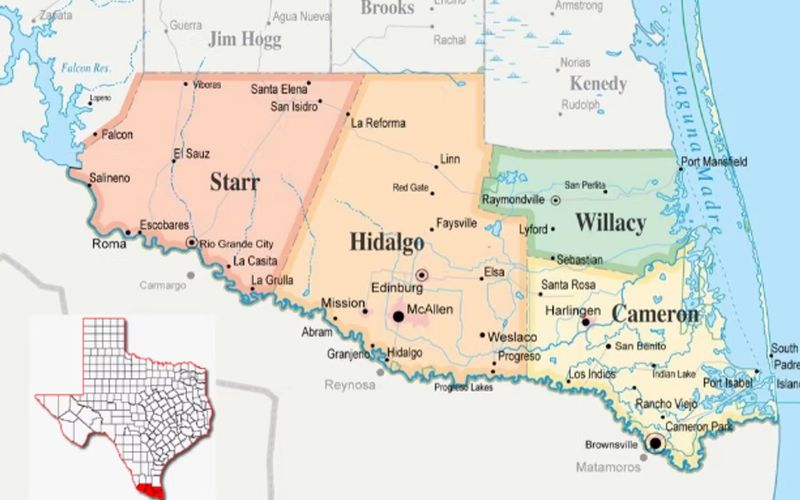
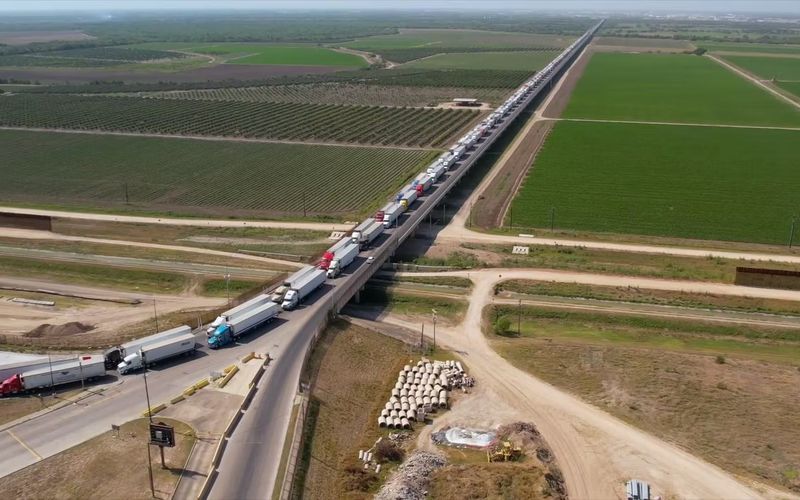
Mexico is the United States’ largest trading partner, and much of that trade crosses through Texas. That makes South Texas one of the places where changes in trade policy are felt first — and most directly.
How tariffs reach local businesses
A tariff is a tax on imported goods, paid by the importer. In practice, the cost often moves down the supply chain: manufacturers pay more for inputs, distributors pay more for inventory, and part of that cost can reach consumers. Businesses that depend on cross-border supply chains feel those changes quickly.
Tariffs can also shift where companies decide to buy, build or invest. Some sectors — such as steel, aluminum and automotive — tend to be more exposed than others.
Why trade agreement compliance matters
Goods that qualify under the United States-Mexico-Canada Agreement (USMCA) have generally received better treatment than those that don’t. For border businesses, documenting rules of origin is not just paperwork — it can be the difference between paying a tariff and not paying one. Importers, customs brokers and manufacturers that keep their records in order are protecting their margins.
The cost of uncertainty
Changing rules have a cost of their own. When companies don’t know what the rules will be next year, they tend to delay hiring, expansion and new investment. Rice University’s Baker Institute has warned that, in that environment, companies cannot make informed, long-term investment decisions
— which can slow projects that would otherwise benefit border communities.
What local businesses can do
- Know your exposure: identify which products and inputs could be affected by tariffs.
- Keep compliance documents current, including rules-of-origin records.
- Work closely with your customs broker on classification, valuation and any duty recovery options.
- Build flexibility into contracts, with clauses that address tariff changes.
- Diversify suppliers and routes where it makes sense.
- Stay connected: chambers of commerce and trade organizations are often the first to share updates from Washington and Mexico City.
Trade policy will keep moving. Businesses that stay informed, organized and connected will be best positioned to keep growing across the border.