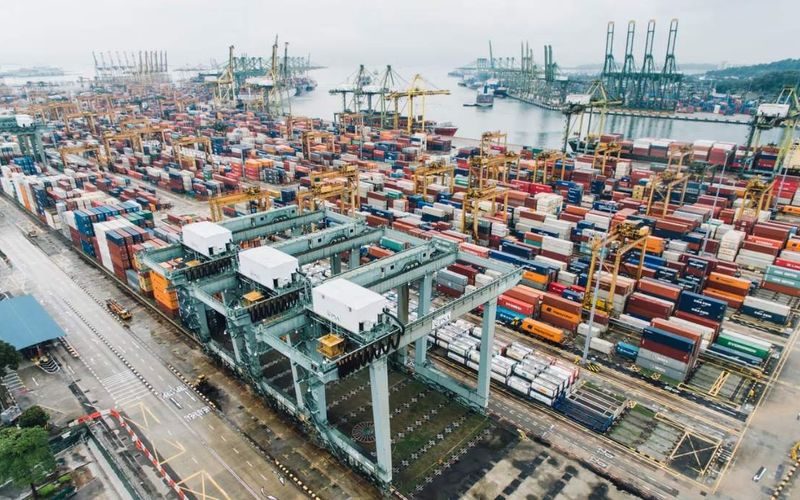
The U.S.–Mexico border is not a dividing line for business — it is one of the most productive commercial relationships in the world. Factories in Mexico and the United States share supply chains, farms on both sides feed the same customers, and families and businesses cross the bridges every day.
The numbers behind the relationship
In 2025, U.S.–Mexico trade in goods reached a record $872.8 billion, making Mexico the largest U.S. trading partner for the third consecutive year, ahead of Canada and China. Including services, total trade approached $976 billion.
Texas is the heart of that exchange. In 2024, more than 70% of all U.S.–Mexico trade crossed through Texas ports of entry. Laredo alone handled about $354 billion in two-way trade in 2025, making it the busiest gateway for U.S.–Mexico trade.
What it means for the Rio Grande Valley
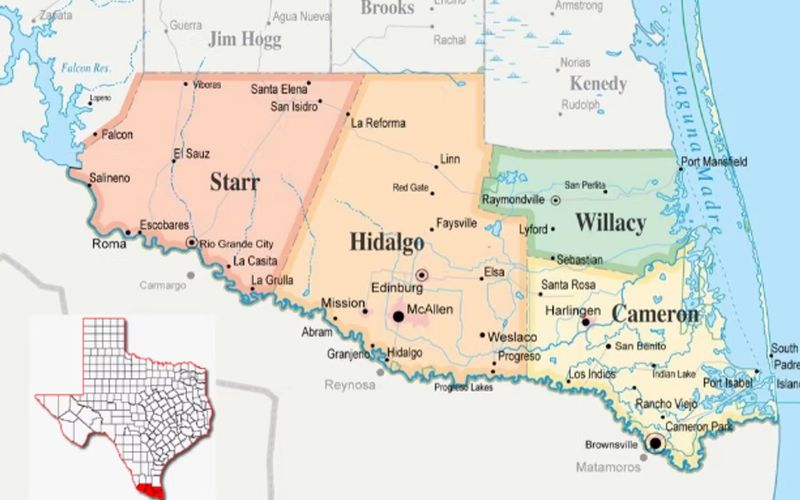
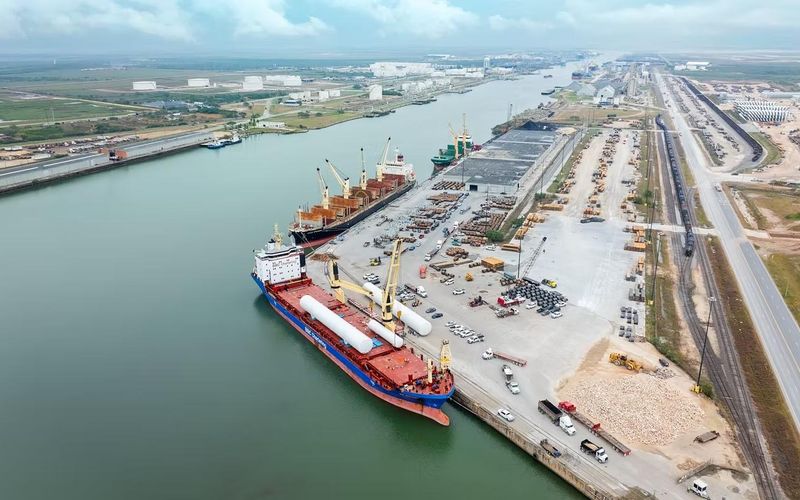
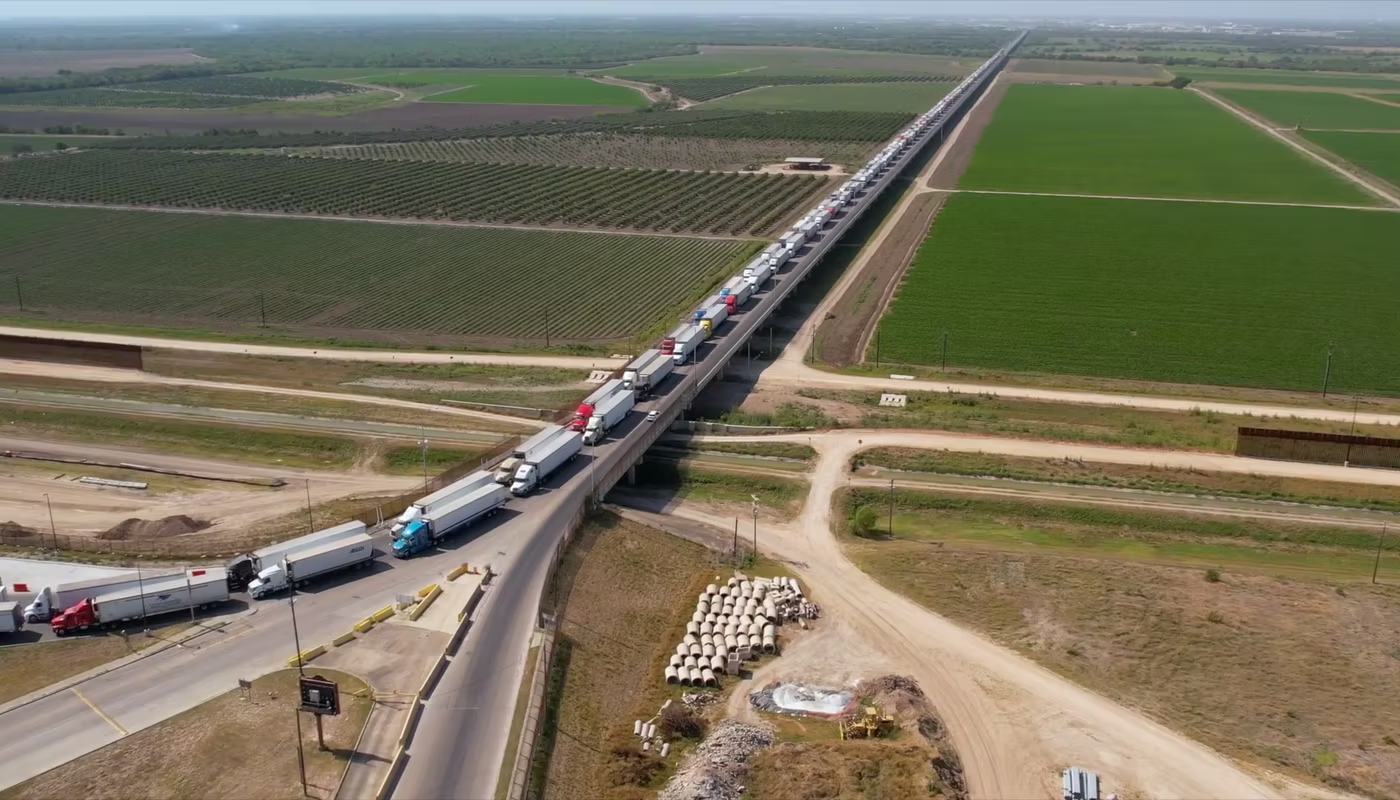
The Valley’s ports of entry handled $67.1 billion in trade in 2024. The Port of Hidalgo, which includes the Pharr-Reynosa bridge, alone supported an estimated 91,959 jobs and $9.3 billion in Texas GDP, according to the Texas Comptroller. Mexico accounted for virtually all of its exports.
That trade reaches far beyond logistics companies. It supports customs brokers, warehouses, trucking, banks, insurers, restaurants, hotels, retailers and professional services across the region.
More than goods
Binational trade also means shared talent, culture and opportunity. Bilingual workforces, family ties across the border and a deep understanding of both markets give South Texas businesses an advantage few regions can match. Many companies operate on both sides, and many customers do too.
Keeping trade strong
Recent tariff changes and the ongoing USMCA review are reminders that cross-border commerce depends on stable rules and modern infrastructure. Businesses benefit when they:
- Stay informed on trade policy and USMCA compliance.
- Build relationships with partners on both sides of the border.
- Support investments in bridges, roads and ports that keep goods moving.
- Participate in chambers and binational events that connect buyers, sellers and investors.
That is exactly the mission of CAMCOIN and of events like the Cumbre RGVCOIN: bringing Mexican and Texan business leaders together so trade — and the communities it supports — keeps growing.