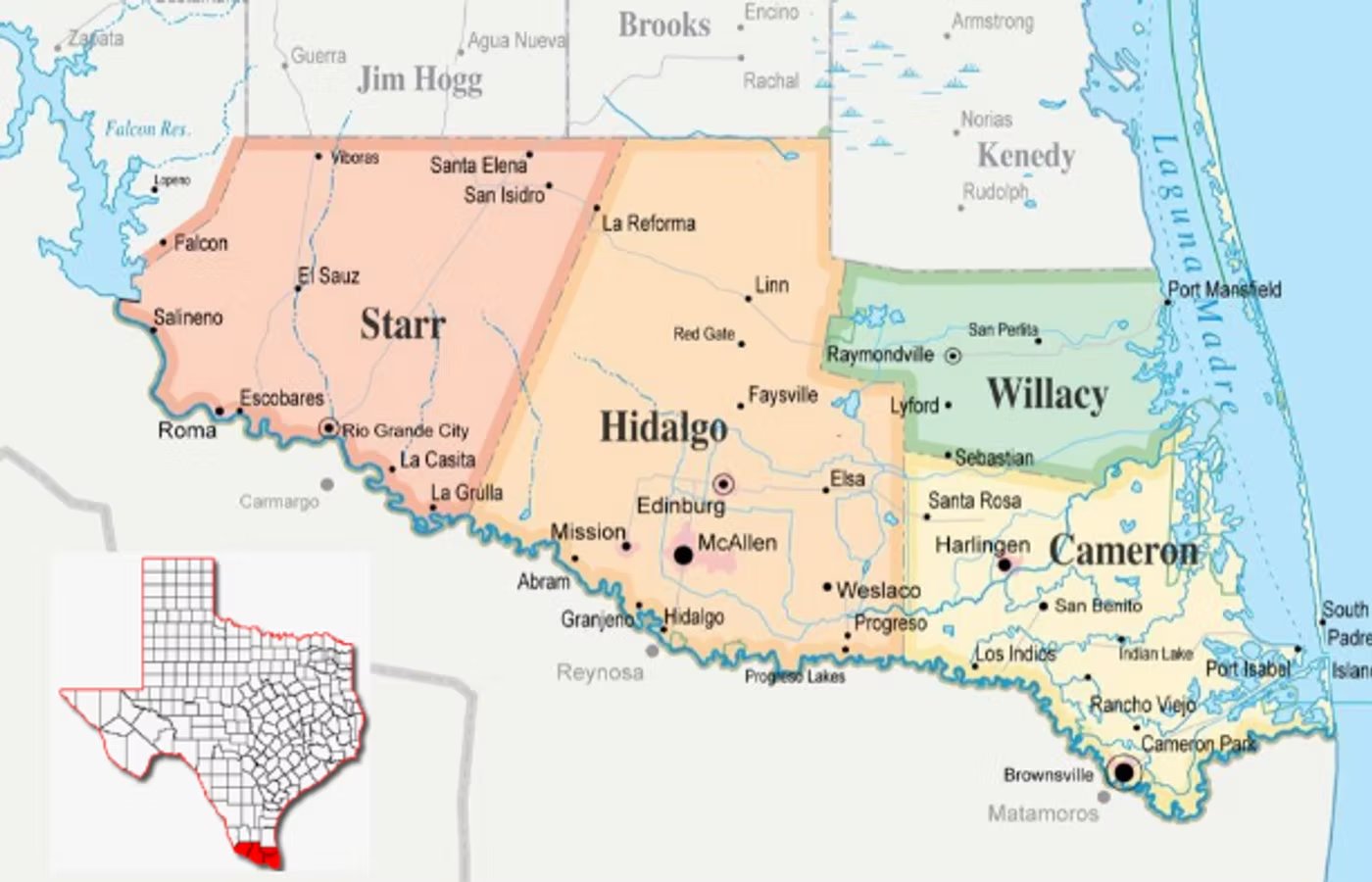
The Rio Grande Valley sits at a meeting point: the Gulf of Mexico to the east, the Mexican states of Tamaulipas and Nuevo León to the south, and the I-69 corridor heading north into the heart of the United States. For businesses, that geography translates into options — by road, rail, sea and air.
A network of border crossings
The Valley has five land ports of entry — Roma, Rio Grande City, Hidalgo, Progreso and Brownsville — served by a dozen international bridges. In 2024 they processed $67.1 billion in trade, about 11.4% of all trade crossing Texas land ports, according to TxDOT.
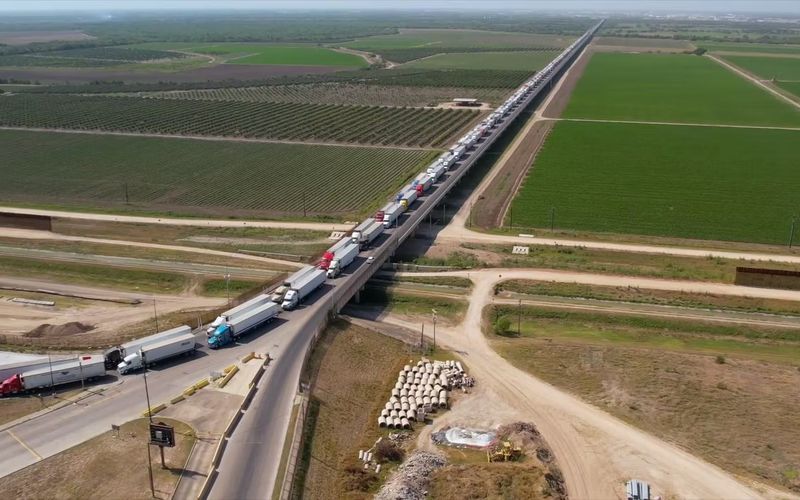
The volume of movement is just as striking. In 2024, northbound crossings into the Valley included more than 1.17 million commercial trucks, 12.4 million passenger vehicles, 6.5 million pedestrians and more than 100,000 railcars.
Pharr: the gateway for fresh produce
The Pharr-Reynosa International Bridge is the No. 1 U.S. crossing for imported Mexican produce. More than 65% of the produce imported into the U.S. crosses it, according to FreightWaves. A $44 million expansion is adding a second span and more inspection capacity. The bridge’s director, Luis Bazan, described it as 100% added capacity, four more lanes, a twin bridge
.
A port, rail and three airports
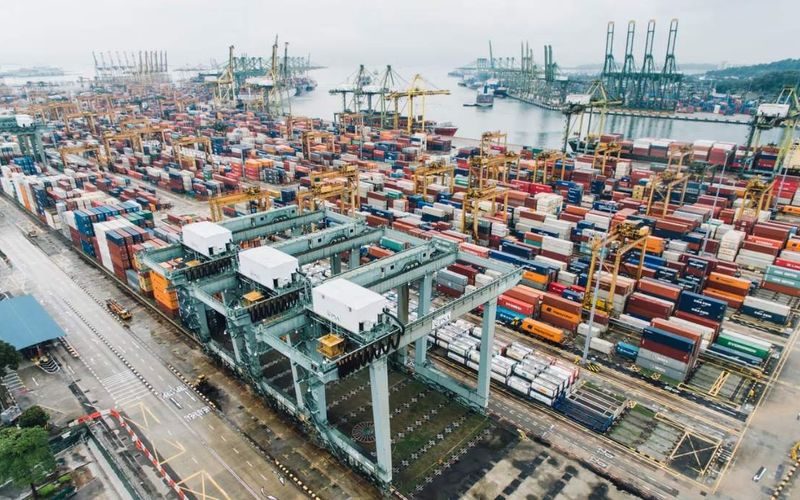
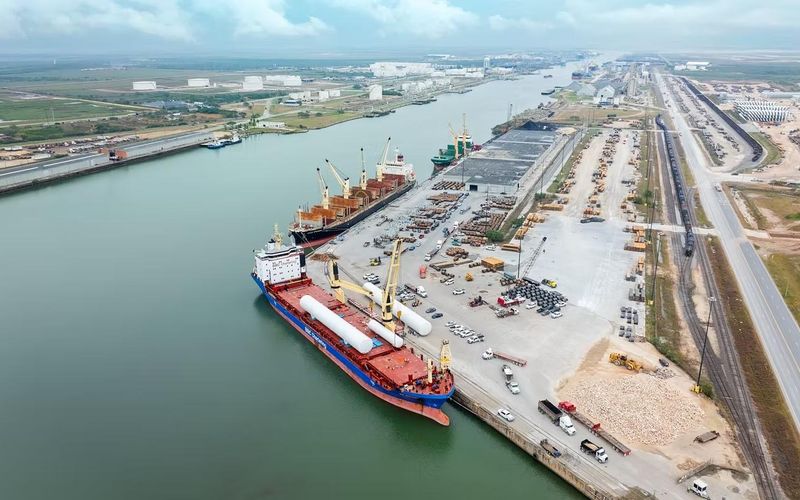
The Port of Brownsville — the only deep-water port directly on the U.S.–Mexico border — completed a channel-deepening project to 52 feet and moves more steel into Mexico than any other U.S. port. The West Rail Bridge in Brownsville carries cross-border rail traffic, and the region is served by three airports with international connections: McAllen, Brownsville-South Padre Island and Harlingen’s Valley International.
The missing link: a complete interstate
Connectivity also has gaps. At the RGV Connect Forum in 2026, Cameron County’s Pete Sepulveda Jr. noted the Valley is the largest metropolitan area in the United States without a complete interstate corridor
. Regional leaders are pushing to finish I-69 connections, link the region’s overweight cargo corridors into one system, strengthen rail, and expand crossings such as the Donna-Rio Bravo bridge for full commercial traffic.
What it means for your business
- Faster access to Mexico for suppliers, customers and partners just minutes away.
- Multiple modes — truck, rail, sea and air — to balance cost and speed.
- Room to grow as bridge expansions and highway projects add capacity.
For companies looking at nearshoring, distribution or cross-border services, few places in the country offer this level of access. The infrastructure is already here — and it keeps getting better.